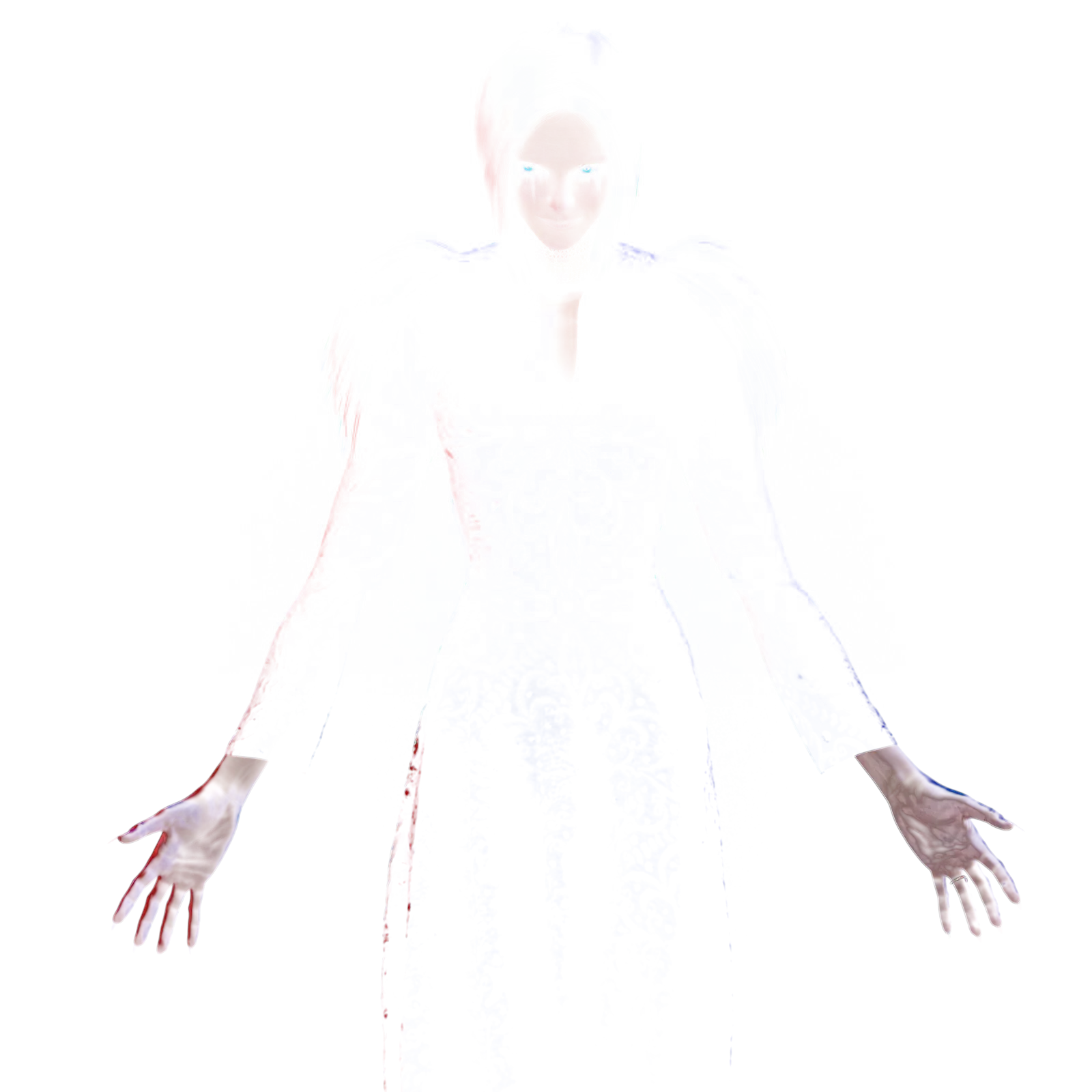
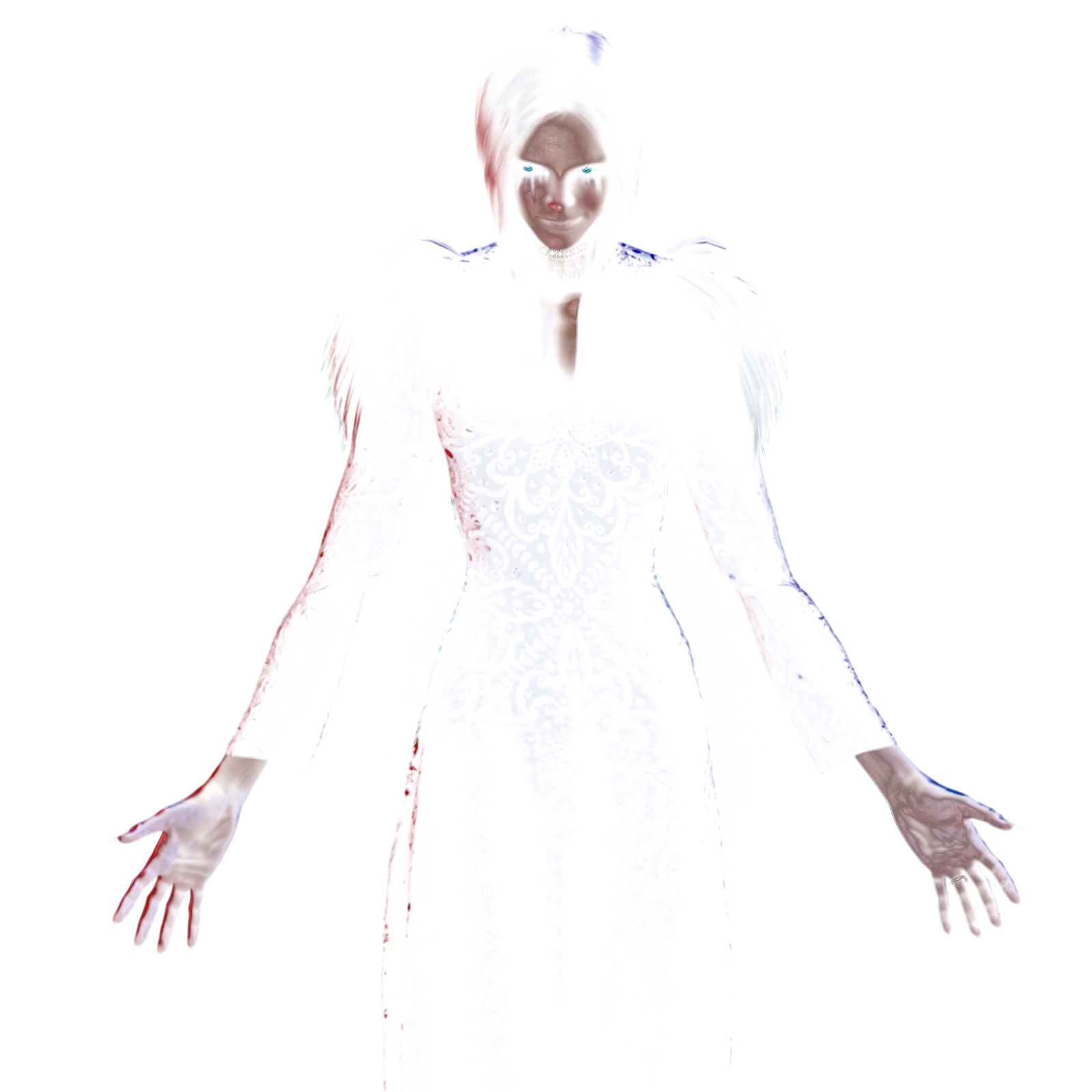
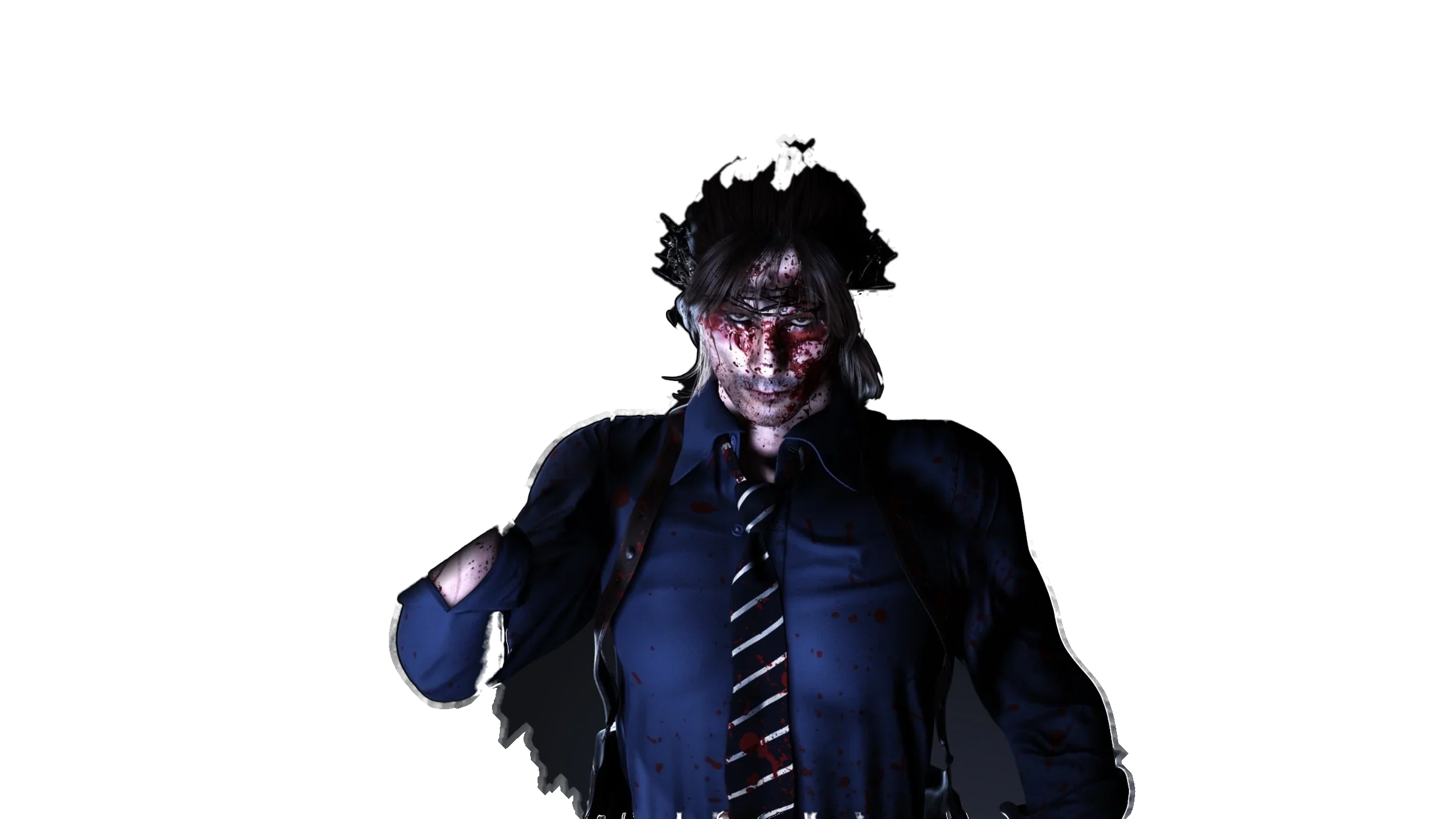
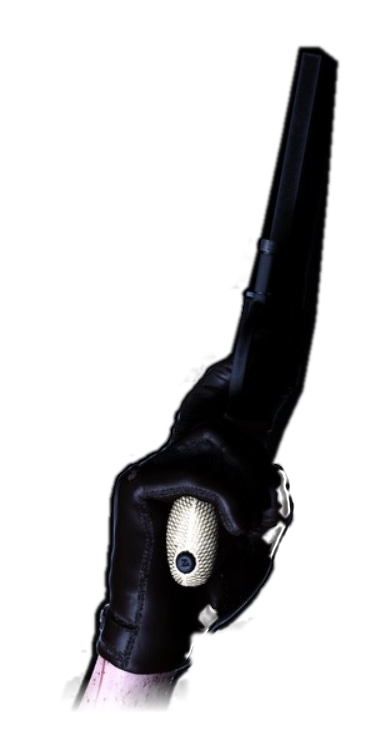
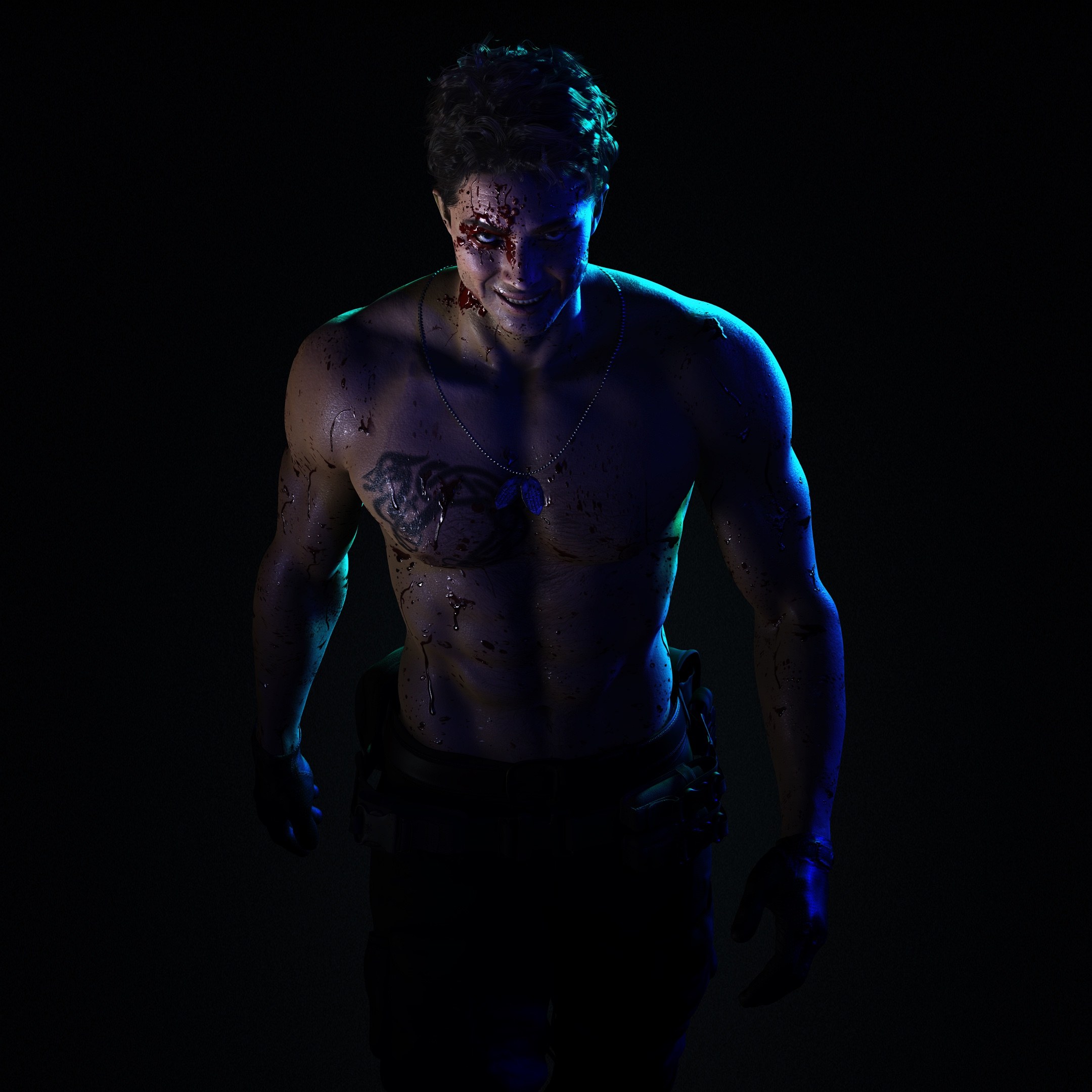
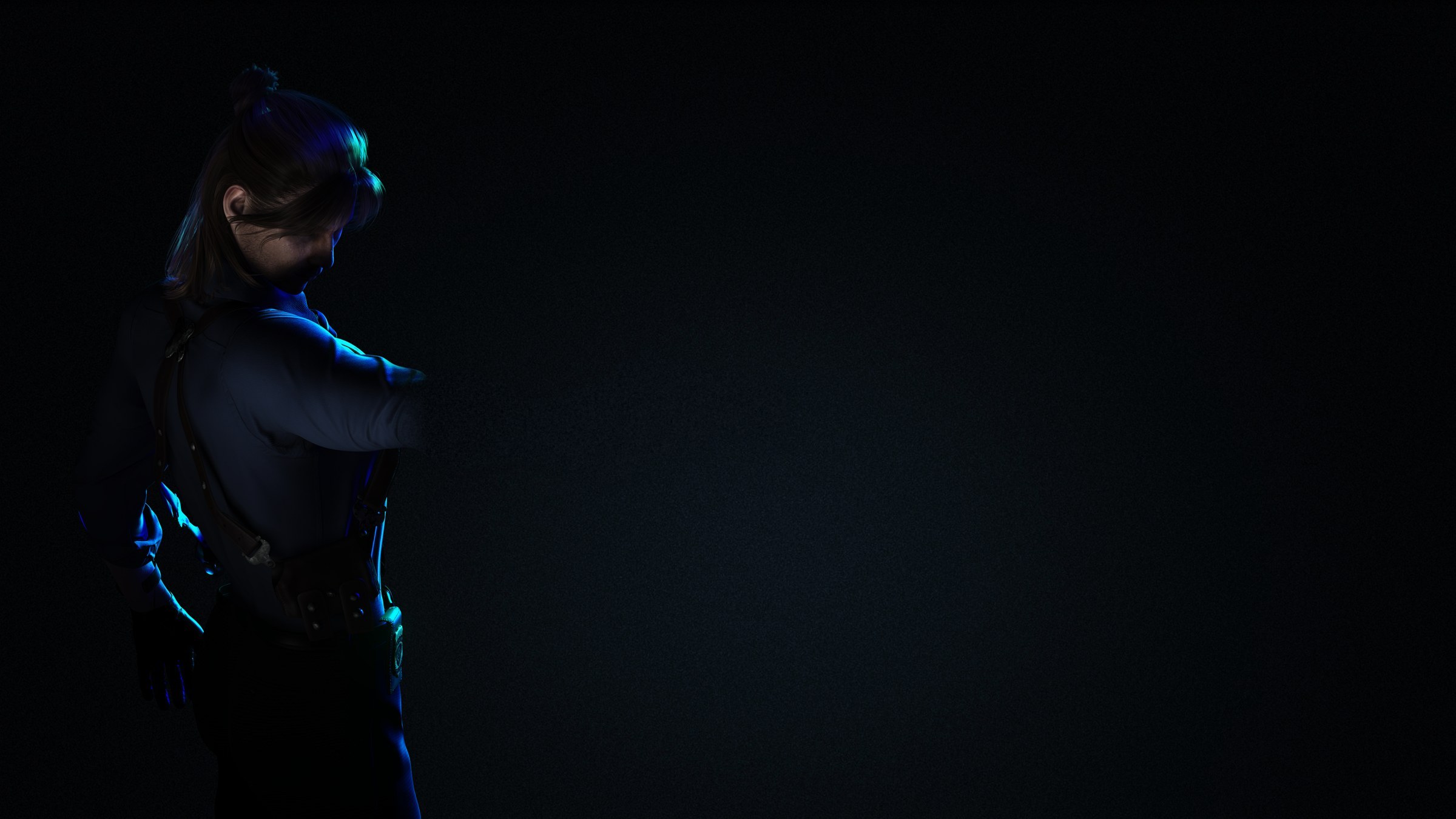
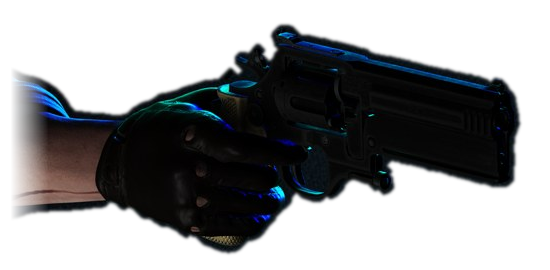
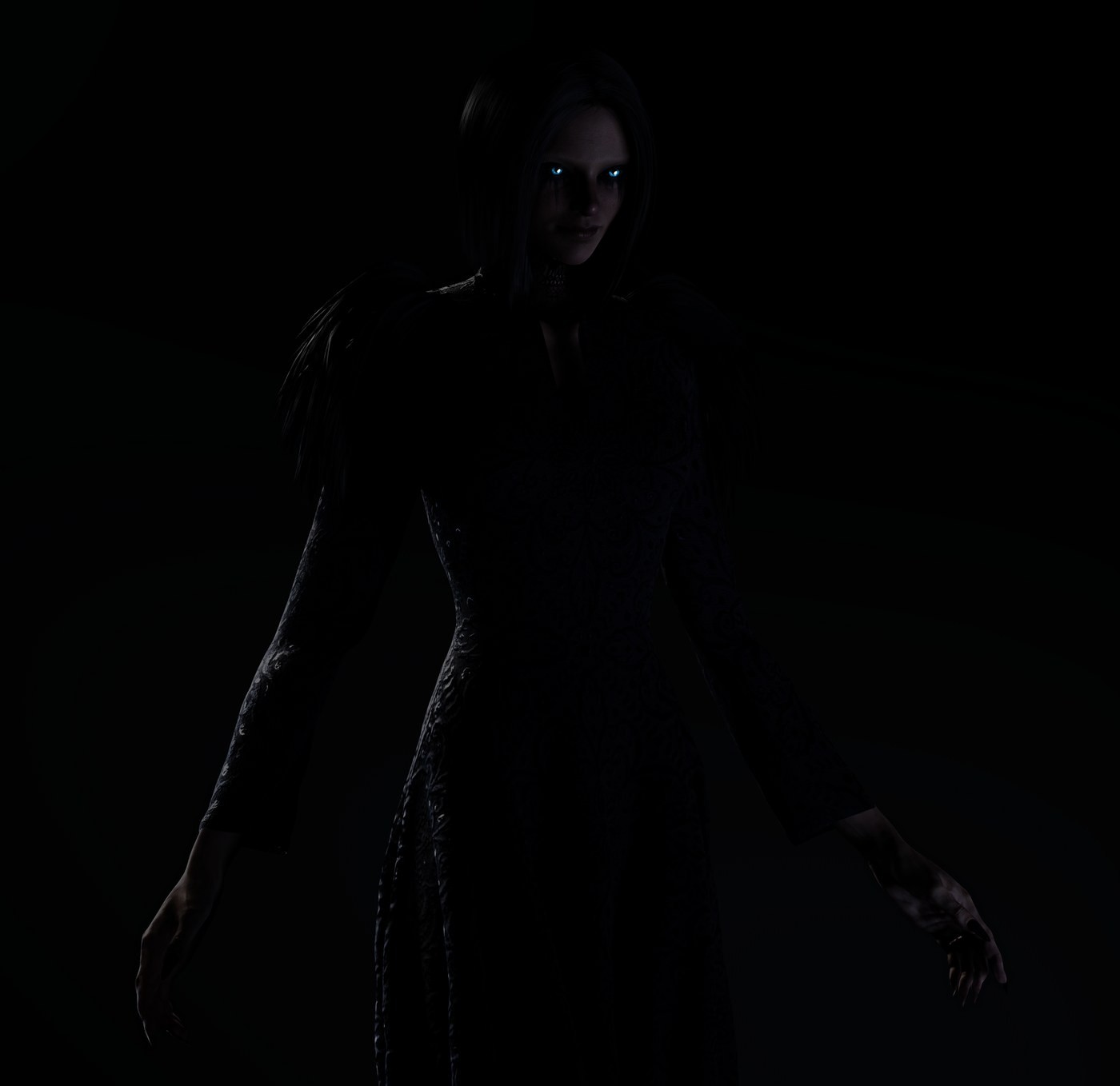
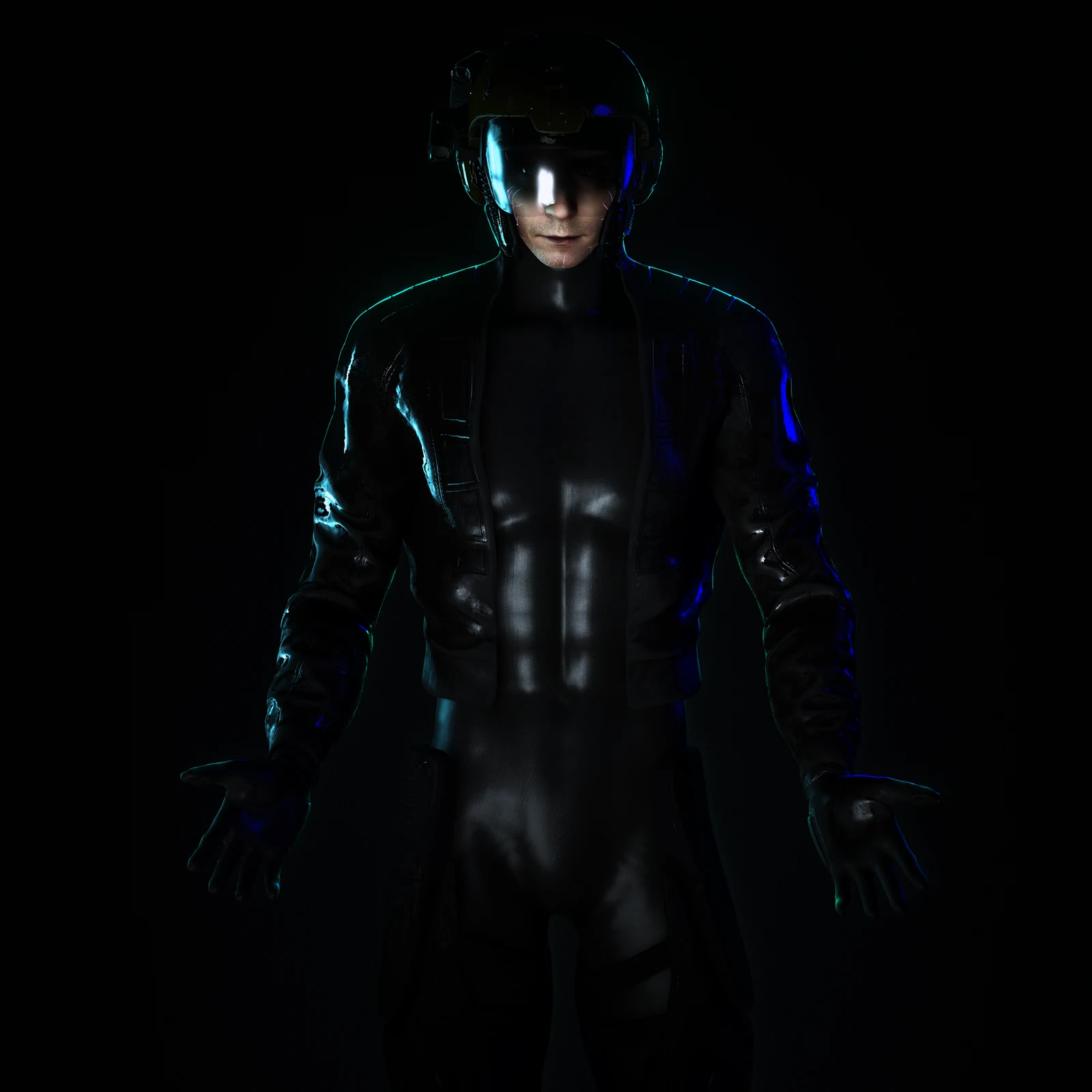
A story by Isa Sadat
How far would you go, for one more chance?
In development · 203X
Project Demento
Production status · Pre-production
- StoryDone
- CharactersDone
- Concept artIn progress
- EnvironmentsUp next
Evidence · Project Demento
Shipped · 2023 — 2024 · Ballistic Moon
Until Dawn Remake
A next-gen cinematic remake that had to keep a cult classic’s DNA intact.
Cinematics and animations designer · 16 months
Built a custom spline camera system in Unreal Engine 5 for traversal, reveals and chases.
Polished mocap performances to frame-accurate timing, aligned with Sony’s game, creative and art directors.
Prototyped cinematic ideas at speed with a personal Rokoko suit.
Launched October 4, 2024 on PS5 and PC. Its success helped greenlight an Until Dawn film and a sequel. · Unreal Engine 5 · Maya · Blueprint
Shipped · 2024 — 2025 · Airship Interactive (Funcom)
Dune: Awakening
Hollywood-level storytelling for a survival MMO, in the shadow of Villeneuve’s films.
Lead cinematic artist · Acting cinematic director for one month
Designed the cinematic language and supervised character animation.
Mentored five cinematic artists through read-throughs, editorial passes and storyboard follow-through.
Delivered four cinematics per milestone, from script and previs through mocap, lighting and polish.
About · Isa Sadat
I direct story-driven, real-time cinematics for AAA, AA & indie titles.
As Lead Cinematic Artist I shape the emotional arc of every scene in Unreal Engine 5, and mentor the artists around me. That eye extends to character design — building who a story is staged around, not only the frames that hold them.
“A rare talent, technically sharp, creatively intuitive, and deeply committed to the craft.”
Terry O’Leary, Creative Director, Airship Interactive
Before games
A licensed airline pilot, flying commercially. Precision under pressure, reading a scene in motion — the same discipline I direct performance with today.
Work
Selected work
Contact
Work with me
Cinematic direction, mentorship or a consultation. Tell me what you're working on.
Open to freelance and full-time opportunities
{{cHint}}
{{cErr}}
Thank you. Your email app should open with the enquiry ready to send. If it doesn't, write to isasadat@outlook.com.
Winchester, UK
Journal · Newsletter
Dailies
Notes on directing cinematics, performance and learning the craft the long way round.
Enter a valid email to subscribe.
Thank you. Your email app will open to confirm the subscription.
Dailies · Exercise · 4 min read
The three-shot reveal
Most reveals fail because the camera knows before the character does.
A reveal is a promise: the audience learns something at the same moment as the person on screen. Cut too early and the camera spoils it. Linger on the object and the moment turns into information instead of feeling. This drill strips a reveal down to three shots, so every cut has to earn its place.
The brief
A character walks into a room and realises someone they love is gone. Twenty seconds. Three shots. No dialogue. Two camera moves at most.
The three shots
- The belief. Show what the character expects before they know. Keep it calm and readable, so the audience settles in with them.
- The turn. Stay on the face, not the thing. Let the audience read the news there first, and hold it a beat longer than feels comfortable.
- The answer. Now show what they see, framed the way they feel it: too wide if they feel small, too close if they can't look away.
How to do it
Block it in Unreal with mannequins, or on your phone with a friend. Time each shot, then watch it back with the sound off. Now remove one shot. If it still works, that shot was decoration. If a camera move doesn't change what we feel, cut it.
What I look for
Where the audience learns the information, whether each cut lands on a beat, and whether the camera moves for a reason. Send me your version and I'll tell you what's working and what to try next.
{{readText}}
{{x_k3}}
Pilot
First officer
Souls
Void
{{readCap}}